The Edge Blog · August 18, 2025 · 4 min read
"Why One Insurance Rule Could Derail Your Florida Closing This Hurricane Season"
Florida’s No-Bind Insurance Box: What It Is and Why It Matters to Real Estate ClosingsIf you’ve ever experienced a delayed closing during hurricane season, you may have run into a lesser-known but critical issue: Florida’s “no-bind”…
 Jennifer ReinboltCENTURY 21 Edge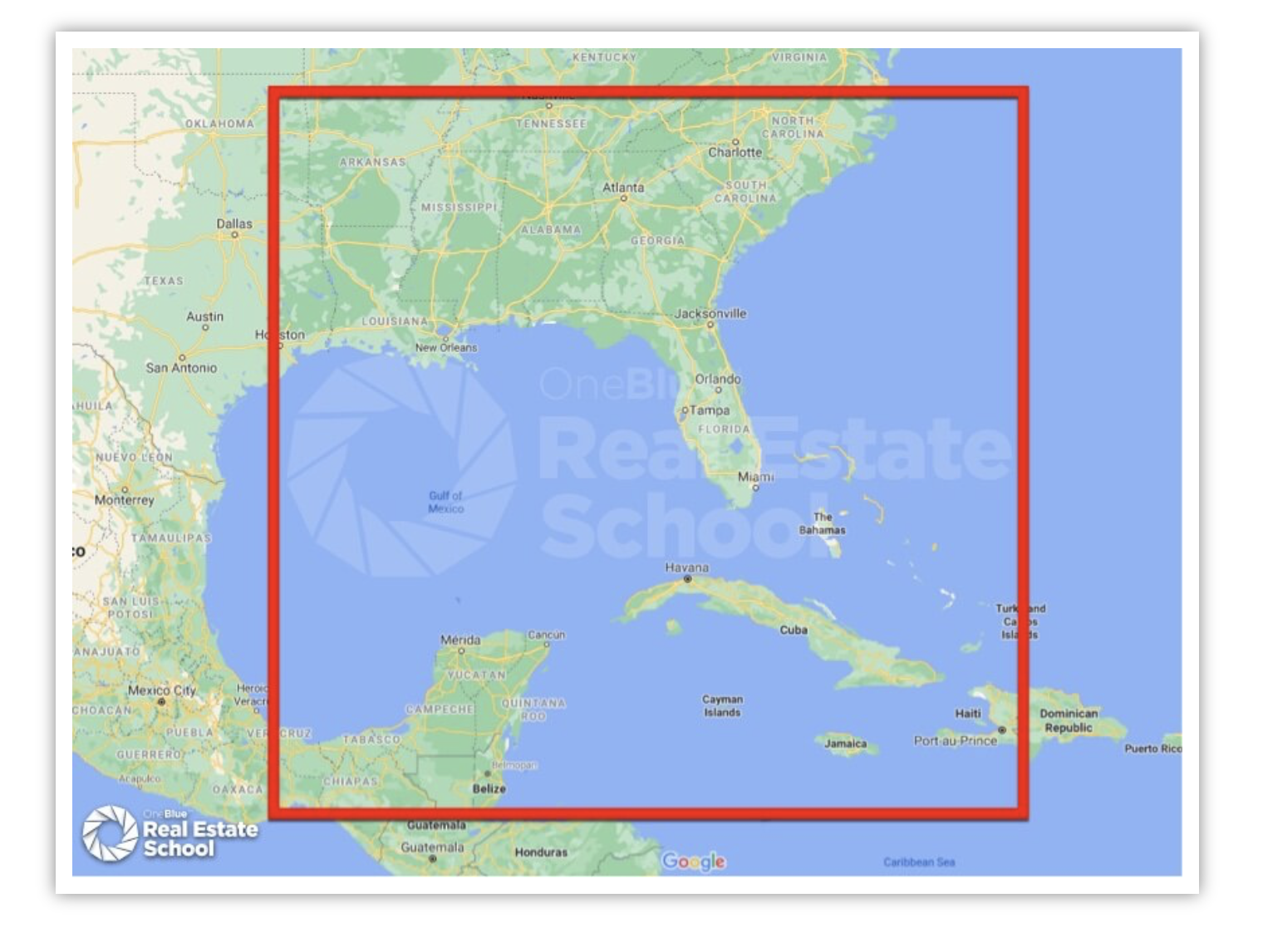
Florida’s No-Bind Insurance Box: What It Is and Why It Matters to Real Estate Closings
If you’ve ever experienced a delayed closing during hurricane season, you may have run into a lesser-known but critical issue: Florida’s “no-bind” insurance box. This regulation covers more than 16,000 square miles of the state and can grind real estate transactions to a halt—often with little warning.
So what exactly is the no-bind box, and why does it exist? Let’s break it down.
The Big Picture: Why Hurricane Season Changes Everything
For anyone living near the Gulf Coast or the Eastern Seaboard, hurricane season is a yearly concern. From June 1 to November 30, real estate professionals, homeowners, and insurance providers all keep one eye on the tropics. And for good reason: since 1989, tropical cyclones have cost the United States over $1.75 trillion in damage, according to NOAA.
When hurricanes hit, they don’t just bring strong winds and flooding—they disrupt communities, supply chains, and industries. One of the most impacted? Insurance.
Take Hurricane Michael in 2018 as an example. It made landfall as a Category 5 storm with 160 mph winds, caused over $25 billion in property damage, and tragically took the lives of more than 70 people. Understandably, insurers had to find a way to limit risk—especially from last-minute policy buyers looking for coverage just as a storm is forming offshore.
Florida’s No-Bind Insurance Box: The Real Estate Closing Killer You Can’t Afford to Ignore
If you’ve ever had a real estate closing suddenly stall during hurricane season, there’s a good chance the “no-bind” insurance box was to blame. This little-known but high-impact regulation covers over 16,000 square miles of Florida and has the power to freeze insurance activity—and your deal—without warning.
In a market where timing is everything, understanding this insurance limitation isn’t optional. It’s essential.
⚠️ Hurricane Season = Real Estate Risk
From June 1 to November 30, agents and brokers across Florida and the Gulf Coast are on high alert—and not just because of the weather. Tropical storms and hurricanes don’t just damage property—they can derail pending transactions overnight.
Since 1989, tropical cyclones have cost the U.S. over $1.75 trillion in damages, according to NOAA. Every time a storm approaches, insurers must protect themselves—and that’s where the no-bind box comes into play.
🌀 Why the No-Bind Box Exists (And How It Hurts Closings)
The idea is simple: insurers don’t want people waiting until a storm forms to suddenly seek coverage. After events like Hurricane Michael—a catastrophic Category 5 storm in 2018 that caused $25+ billion in damage—insurance companies implemented a safeguard.
Enter: The No-Bind Insurance Box
This is a designated area (see map for details) where insurance companies will NOT bind new policies or increase coverage once a tropical storm or hurricane watch/warning is issued.
Key Facts:
Covers 16,000+ square miles across Florida.
Managed by Citizens Property Insurance Corporation, and followed by most private insurers.
Freezes new policies and coverage increases—regardless of the requested effective date.
Typically activates 36–72 hours before a storm’s potential impact.
🏠 The Real Impact: Closings Put on Hold
Here’s the part every real estate agent needs to hear:
If your buyer hasn’t bound their insurance policy before a storm threat enters the no-bind zone, their policy won’t be issued—and their closing won’t happen.
That means:
Closing dates get pushed.
Loan disbursement is delayed.
Sellers get frustrated.
Deals fall apart.
No matter how ready you are, no insurance = no funding = no closing.
✅ How Real Estate Agents Can Stay Ahead
The no-bind box doesn’t have to wreck your deals—if you plan ahead. Here’s how to stay in control during hurricane season:
1. Act Early—Push Insurance Binding
Don’t let buyers wait until the last minute. Encourage them to bind coverage as soon as possible, ideally right after signing the purchase contract.
2. Watch the Tropics Like a Hawk
Storms can form and trigger a watch within 36 hours. Use tracking tools and stay informed daily.
3. Coordinate Closely With All Parties
Stay in sync with insurance agents to understand binding deadlines.
Keep lenders and title companies informed of storm developments.
Give buyers a heads-up on potential delays and how to avoid them.
4. Build In Flexibility
If closing during peak storm season (August–October), pad your timeline and have backup plans in place.
🌧️ Don’t Let the Weather Steal Your Closing
The no-bind insurance box is a hidden trap that can ruin even the smoothest deal. But with a proactive mindset and clear communication, you can protect your customers—and your closings—from unnecessary delays.
🔍 Need Expert Help Navigating Hurricane Season Closings?
We help buyers and agents stay one step ahead—before the weather turns.
Contact us today to make sure your next deal doesn’t get washed away.
Jennifer ReinboltCENTURY 21 EdgeWork with Jennifer